FOIA experts shine light on process
Published 12:00 am Saturday, November 7, 2026



|
Getting your Trinity Audio player ready...
|
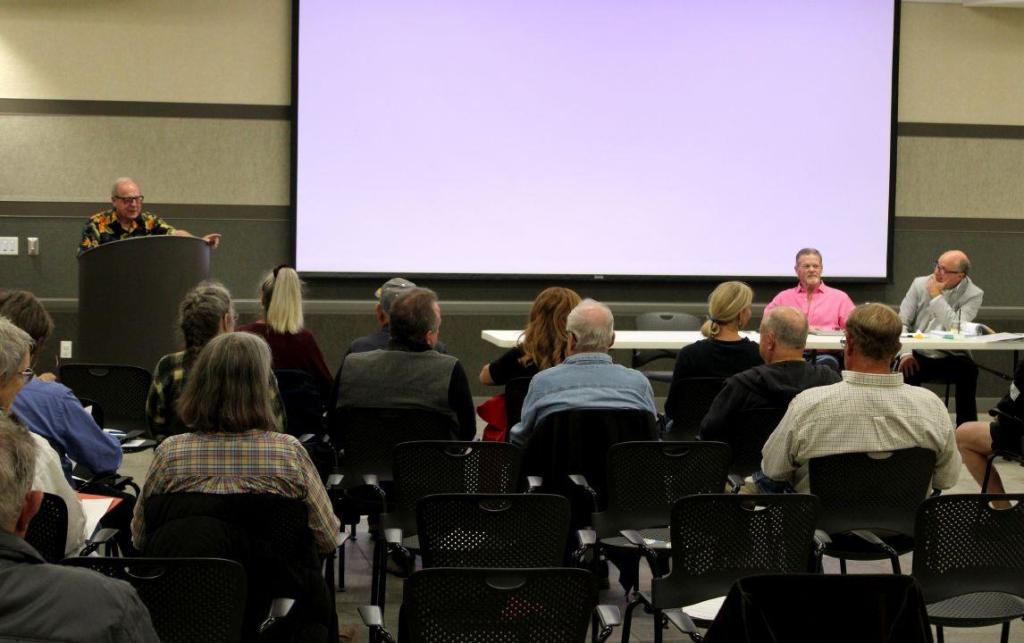
BERRYVILLE – On Thursday night, the residents of Carroll County were treated to an education in the Arkansas Freedom of Information Act (FOIA). In a town hall meeting, three experts explained the intricacies of the law and answered questions for nearly three hours. The information came out of a firehose, but the audience was thirsty for knowledge. Dr. Bill Ray Lewis of Harrison, FOIA attorney Joey McCutchen of Fort Smith, and journalist Jimmy Cavin of Conway offered their time and experience to the crowd.
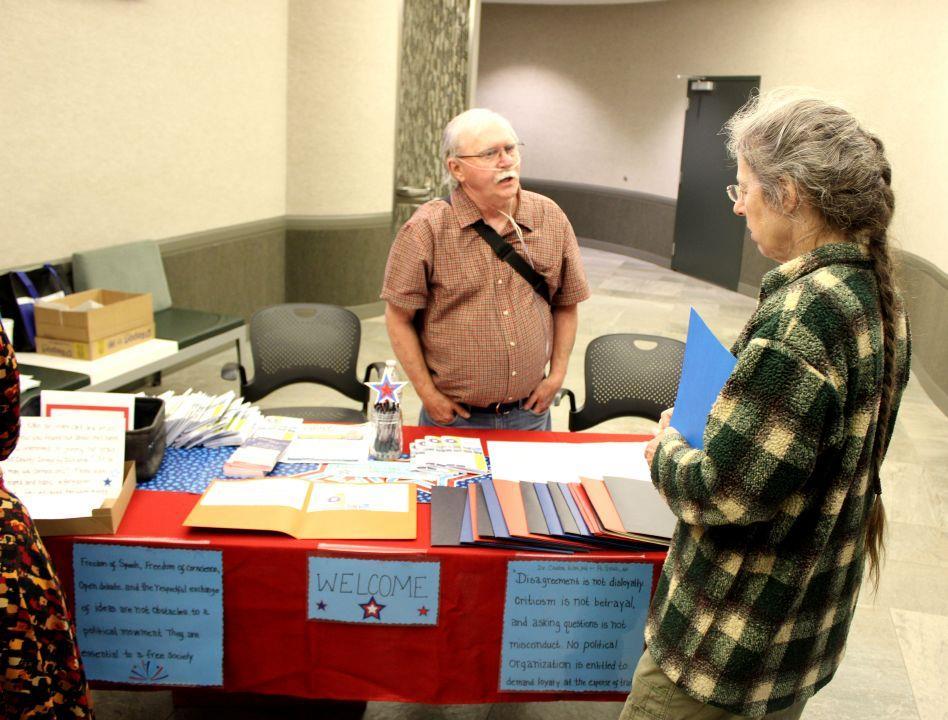
The audience was made up of elected officials and interested citizens alike. Encouragingly, even one high school student spent their evening at the event. The event was organized by the Carroll County Integrity Initiative. The nonpartisan group’s mission statement is to advance transparent, accountable local government by empowering residents to actively participate in civic decision-making.
Dr. Bill Ray Lewis, a long-time educator and FOIA expert, spoke first. After informing his Carroll County audience that he was the handsomest man in Boone County, he shared some key FOIA information.
“One of the greatest things that I’ve ever come across is that here in Arkansas we have a law passed by the state legislature in about 1967 called the Arkansas Freedom of Information Act. What it does is it guarantees us as citizens the right to ask for and receive what’s happening with our public dollars,” Dr. Lewis opened with.
He told the crowd that as he’s gotten older, nearly 90 now, he’s grown sure that it’s more important than ever for citizens to know what the government is doing and how they are spending citizens’ money.
Lewis stressed the importance of knowing the law in order to understand what the government was doing. Part of that understanding comes from learning how FOIA works, he explained. Rights, like the ability to seek information from the government, are at constant threat of being “watered down,” Lewis said. He believes it is up to the people to stay informed.
In particular, Lewis drew attention to the trend in local government and committees to misuse executive sessions. These are sessions in which committees may be exempt from FOIA requirements while discussing very specific matters. Often, Lewis finds that matters not exempt from FOIA are discussed in executive session, in violation of the letter and intent of the legislation.
Attorney Joey McCutchen was the next speaker. He described some of the cases he’s taken to court in which the government conducted the people’s business behind closed doors or without adherence to FOIA. Upcoming lawsuits helmed by McCutchen include the aforementioned misuse of executive sessions by various government bodies.
He characterized some of Governor Sarah Sander’s actions as attempts to undermine FOIA. The restrictions that she has managed to place on her travel records and her attempts to get a prison built in Franklin County were mentioned as examples.
“We can’t have our public officials doing their business without transparency,” McCutchen contended. He later continued, “If we don’t see how the sausage is made in committee. If we don’t know where the governor is flying to. If we don’t know how much money she’s spending going to Super Bowls… if we don’t know who’s on that flight with her… Sunshine is the best disinfectant.”
The bottom line, according to McCutchen, is that it is vital in a democratic society that public business be performed in an open and public manner.
Not limiting himself to criticizing Sanders’ work to dismantle FOIA, McCutchen expressed disdain for the manner in which Secretary of State-elect Kim Hammer “snuck through” legislation in 10 days that increased school boards’ ability to use executive sessions.
Journalist Jimmy Cavin spoke last. Cavin answered the question he said he gets asked most often. What is the most important thing when filing a FOIA request? Cavin said it’s simple: know the law. He said that while that sounds intimidating, it’s not too complicated to understand.
Cavin noted that records custodians, responsible for the information requested in a FOIA, are not required to compile information, create records in response to a request or answer questions. He pointed out that while a FOIA request can be made in person, over the phone, by email, or by mail, he strongly recommends sending it by email. Further, requesting that the records be sent electronically by email avoids the need for the requester to pay for paper copies.
Having spent years investigating government activity, Cavin explained various other intricacies in FOIA law.
According to the guest speakers, understanding FOIA and the laws governing public meetings and records is critical to obtaining the requested information. The speakers all referenced the importance of reading the latest edition of the Arkansas Freedom of Information Act handbook, produced by AG’s office and the Arkansas Press Association. To obtain a copy, visit https://arkansaspress.org/freedom-of-information-handbook/.